

8116685893 / 7586951424
Book an Appointment

Learning Centre
21/18, Chandidas Avenue, Durgapur – 713205
New Space Mission Targets Mars Water Reserves
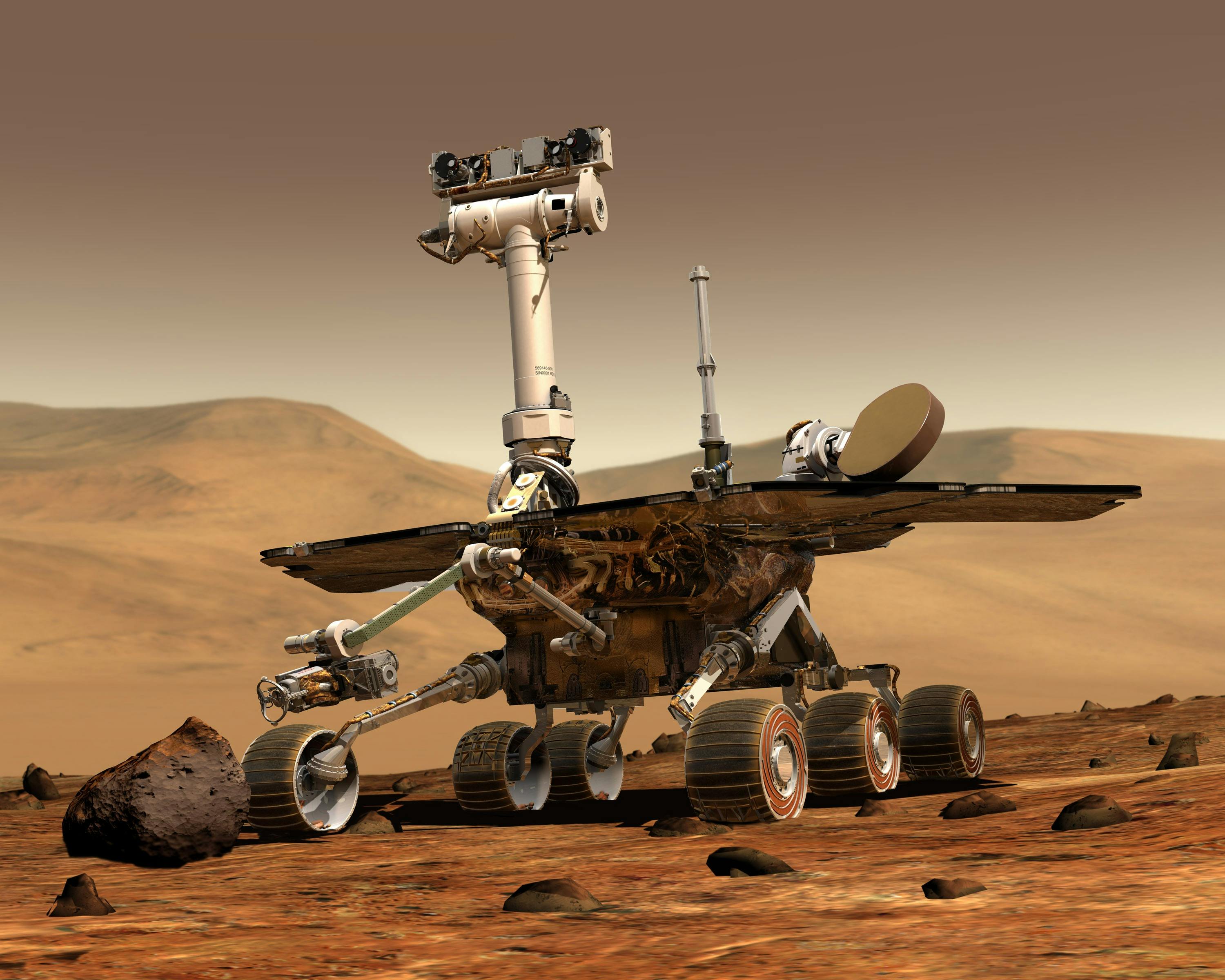
New Space Mission Targets Mars Water Reserves
NASA’s latest rover to explore Martian aquifers
NASA’s Aquarius Rover, launched on August 1, 2025, has begun its mission to explore underground water reserves on Mars, a critical step in understanding the planet’s past and future potential for human habitation. The rover, equipped with advanced drilling tools and spectroscopic sensors, is targeting the Jezero Crater, where scientists believe ancient aquifers may hold clues to microbial life. Early telemetry data suggests the presence of subsurface ice, sparking excitement among researchers eager to analyze its composition.
The mission builds on previous Mars explorations by focusing specifically on water, a key resource for sustaining future colonies. Aquarius is designed to drill up to 10 meters below the surface, collecting samples that will be analyzed for chemical signatures of life and geological history. Unlike its predecessors, the rover uses an AI-powered navigation system to adapt to the rugged Martian terrain, allowing it to cover more ground efficiently. NASA estimates that the mission will yield results within six months, with potential implications for planning manned missions by 2035.
Beyond scientific discovery, the Aquarius mission has reignited public interest in space exploration, with live streams of the rover’s activities drawing millions of viewers worldwide. However, the mission faces challenges, including the harsh Martian environment and the technical complexity of deep drilling. NASA’s team remains optimistic, citing the rover’s robust design and the global collaboration behind its development as key strengths. The findings could reshape our understanding of Mars and humanity’s place in the cosmos.
Back to News